Chemical Science and Engineering
The Department of Chemical Science and Engineering was newly established in Academic Year 2026 through the integration and reorganization of the six former chemistry-related departments. In recent years, the societal demands placed on chemistry have expanded significantly and continue to evolve at an accelerating pace. To respond flexibly and effectively to these changing needs, the department was created to transform the traditional, highly specialized educational and research structure into one capable of addressing emerging societal challenges in a more agile manner. Interdisciplinarity is one of the defining characteristics of chemistry as an academic discipline. New fields of research that span multiple disciplines—or that do not fit within any existing disciplinary framework—continue to emerge. The name “Chemical Science and Engineering” reflects the department’s commitment to embracing the full breadth of chemistry without being confined to a particular field, while also contributing to advances in science and engineering through the fundamental principles of chemistry. While maintaining its long-standing tradition of emphasizing creative and interdisciplinary research grounded in fundamental chemistry, the department aims to cultivate researchers and engineers who can respond rapidly to the increasingly diverse and evolving demands placed on chemistry by society, as well as addressing both global challenges, such as environmental and energy issues, along with various pressing societal needs. To provide graduate students with both advanced expertise and broad interdisciplinary knowledge, the department has designed and implemented a new educational and research framework consisting of Tracks and Research Fields / Research Modules.
Department Website

Research Laboratories
Molecular Systems and Materials Chemistry
 Functional Materials Design
 Inorganic Structural Chemistry
 Industrial Solid-State Chemistry
 Polymer Physics and Function
 Biomaterials Chemistry
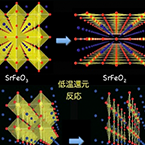 Solid State Chemistry
  Synthetic Organotransformation
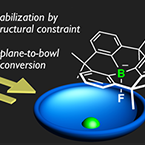 Structural Organic Chemistry
 Organic Functional Materials Chemistry
 Theoretical Chemistry
 Photo-organic Chemistry
 Condensed Matter Physical Chemistry
 Quantum Material Science
 Molecular Rheology
 Organic Materials Science
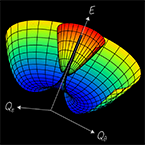 Quantum Molecular Science
 Porous Physical Chemistry
 Advanced Functional Polymers
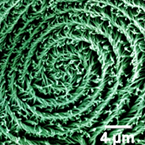 Functional Polymer Synthesis
 Synthetic Polymer Chemistry
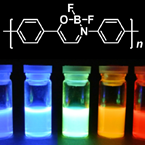 Polymerization Chemistry
 Polymer Structure and Function
 Polymer Molecular Science
 Fundamental Physical Chemistry
 Polymer Materials
 Molecular Design of Polymer Materials
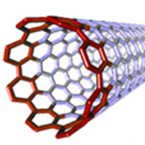 Polymer Controlled Synthesis
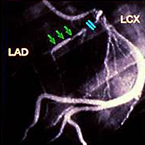 Biomaterials
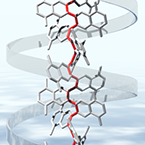 Organic System Design
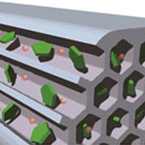 Functional Chemistry
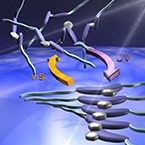 Physical Organic Chemistry
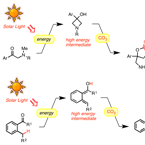 Organometallic Chemistry
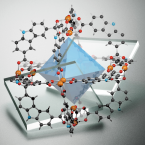 Molecular Assembly Chemistry
 Soft Matter Engineering
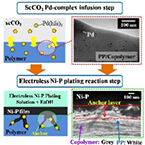 Materials Process Engineering
 Environmental Process Engineering
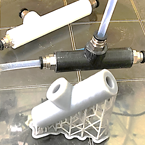 Dynamic Interfacial Chemistry
Biomedical Engineering Chemistry
 Analytical Chemistry of Materials
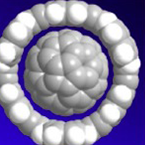 Hydrocarbon Chemistry Fundamentals
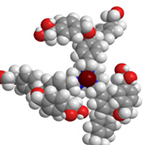 Advanced Biomedical Engineering
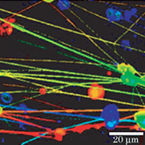 Bio-macromolecular Science
 Developmental Systems
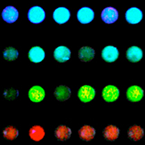 Bioorganic Chemistry
 Molecular Biology
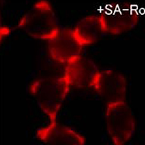 Biorecognition Chemistry
 Biochemical Engineering
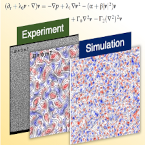 Transport Phenomena
Chemical Process Development
 Surface Control Engineering
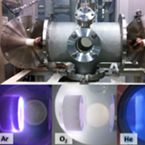 Chemical Reaction Engineering
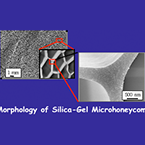 Separation Engineering
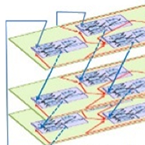 Process Control and Process Systems Engineering
 Green Process Engineering
Energy and Environmental Chemistry
 Organic Reaction Chemistry
 Organic Molecular Chemistry
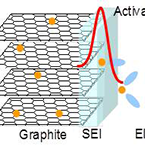 Applied Electrochemistry
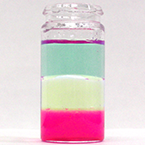 Functional Materials Chemistry
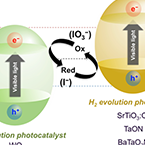 Catalyst Materials
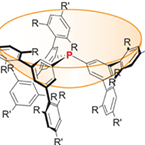 Catalytic Organic Chemistry
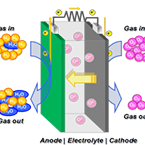 Catalyst Design Engineering
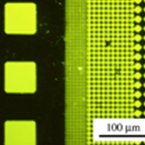 Organotransition Metal Chemistry
 Isotope Chemistry
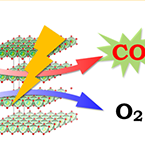 Catalysis Chemistry
 Energy Process Engineering